
“… I don’t think I’ll be able to hold this for 30 seconds.”
Note: the theory of why we prep our plates this way is my interpretation. I don’t know how badly I’ve already distorted what my teacher said.
“… I don’t think I’ll be able to hold this for 30 seconds.”
Note: the theory of why we prep our plates this way is my interpretation. I don’t know how badly I’ve already distorted what my teacher said.

Stupid wavy wood, mocking me like that.
Joining violin plates with the jointer plane is so tricky and so important that it’s the ONLY step that we don’t get to do on our first violin. But remember, I’m on my SECOND VIOLIN! which means plenty of fodder for my new violin making mini-series: JOINT PAIN!

…. Thank goodness the last panel is a hyperbole. I did bump the vise. But it didn’t fall. And she wasn’t horrified. In fact, I think she was not surprised at all. And it has a safety net under it (aka a big trash can).
I’m supposed to be studying for a violin construction quiz. Thought I’d cheat on my blog here and just post some of my notes. As you will see, they can be a little, um, excessive at times.
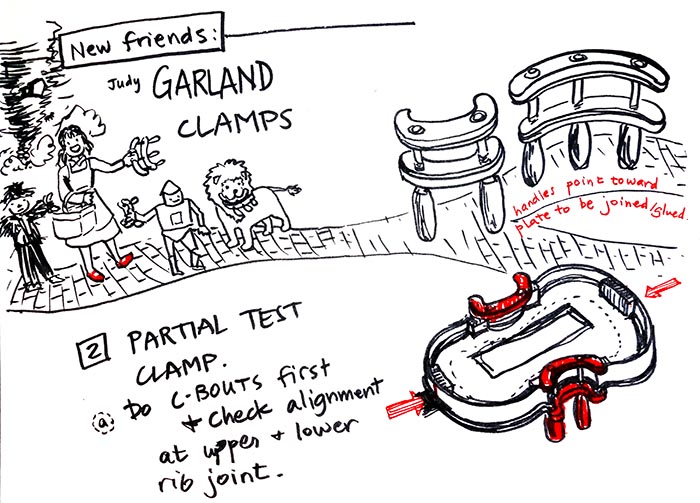
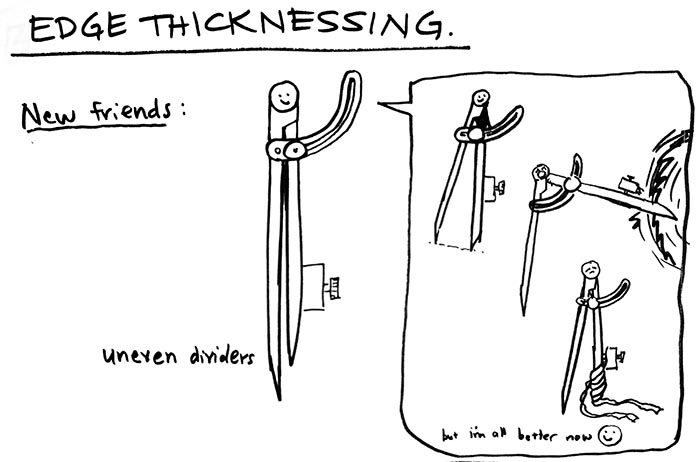
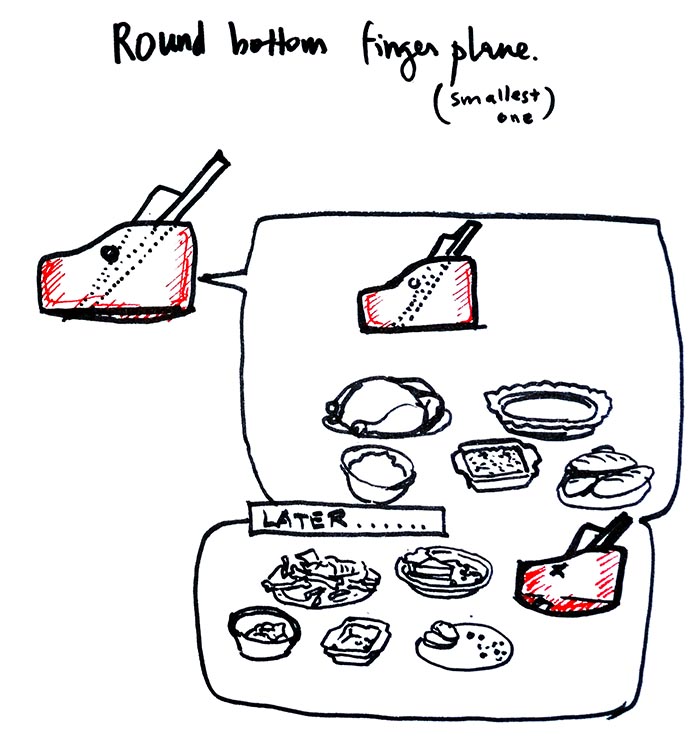
I definitely drew that around Thanksgiving.

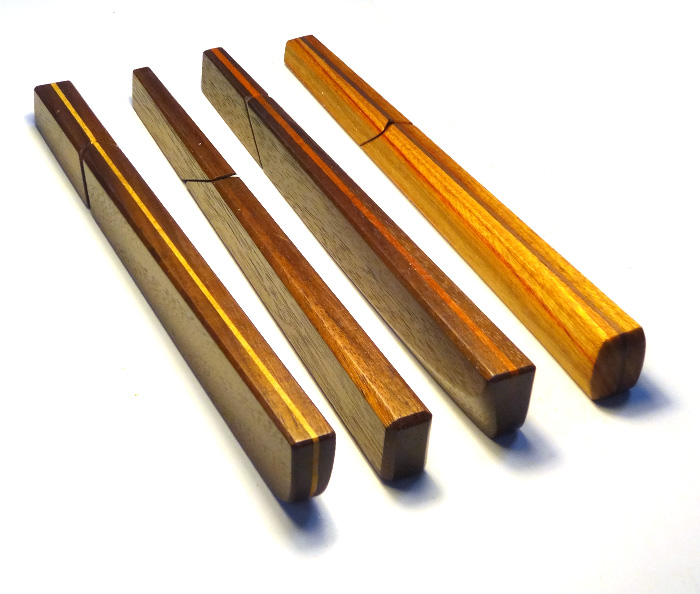
I love my knife handles. I just finished my bridge knife (the yellow-y one) and now my set looks like this!

From left to right: bench knife, f-hole knife, bridge knife, purfling knife

Purfling knife: walnut + maple stripe
F-hole knife: walnut + walnut stripe
Bench knife: walnut + cherry stripe
Bridge knife: canary + walnut stripe
An instructional post on making lidded sandwiched knife handles next time!
 fix it with shading